Coliving in Budapest for Entrepreneurs and Digital Nomads
Budapest is one of the best-value cities in Europe to live and build a business from, and coliving is the fastest way to land there with a working desk, a room and a network from day one. This guide covers how coliving for entrepreneurs works in Budapest, which districts to pick, what it costs, and what a month in a founder house looks like.
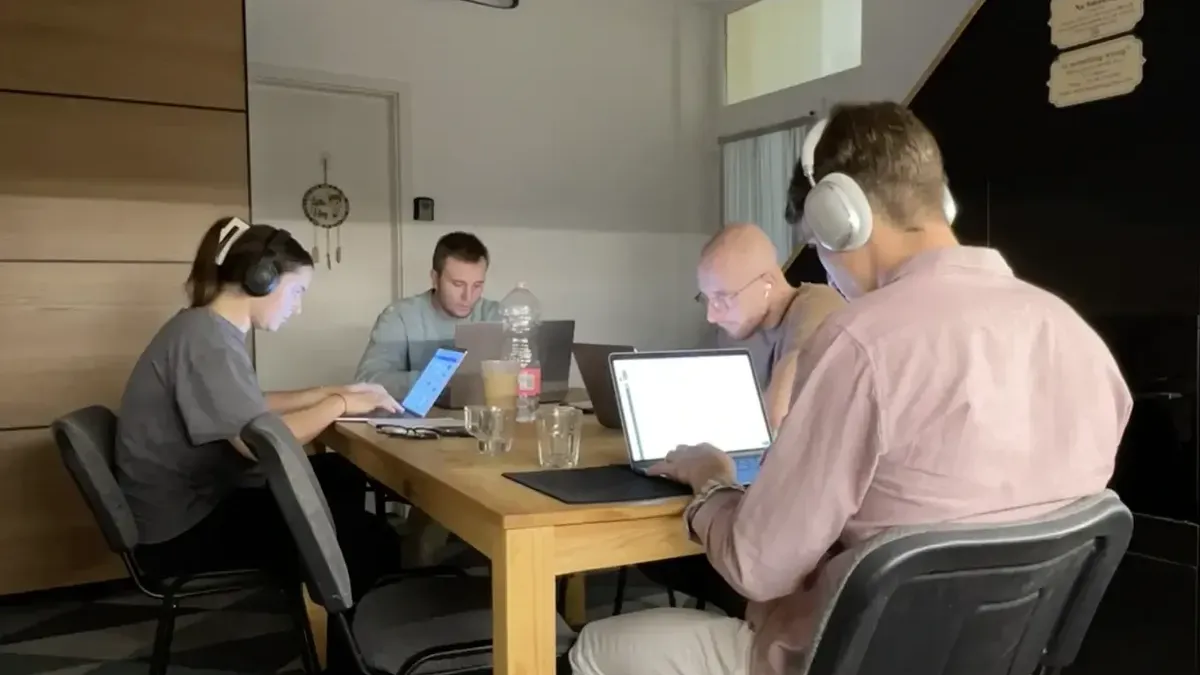
Why choose a coliving in Budapest
Budapest combines three things founders look for when they pick a base: a cost of living well below Western European capitals, a central location with direct flights to most of Europe from Budapest Ferenc Liszt International Airport, and a quality of life that makes long workdays easier: cafés, river walks, a dense public transport network and a thermal bath culture you will not find anywhere else in Europe.
For remote entrepreneurs, the city also has a practical advantage: you can live centrally without paying central London or Paris prices. Remote-work guides estimate a comfortable monthly budget of roughly €1,800 to €2,500 for a nomad in Budapest, rent included (Nomads.com data is a good place to compare cities).
The weak point is the flip side of its popularity: most remote workers only stay about a week. The city is full of people passing through, and it is hard to build a real network alone. That is exactly the problem a coliving for entrepreneurs solves.
What coliving for entrepreneurs means in Budapest
Classic coliving in Budapest is a furnished room in a shared flat with common areas, cleaning and fast Wi-Fi, rented by the month. It is designed for students, young professionals and nomads looking for affordable accommodation.
An entrepreneur coliving goes further. The housemates are selected: founders, freelancers with a real business, e-commerce and agency owners, investors. The house is set up for work, with desks and quiet spaces. And the stay follows a program: weekly goal-setting, masterminds, skill-sharing sessions, dinners and activities. The value is not only the room, it is the people around the table. For a complete overview of the concept, read our guide to coliving for entrepreneurs.
Coliving vs coworking vs Airbnb in Budapest
| Option | What you get | Best for |
|---|---|---|
| Coworking + Airbnb | A desk in a coworking space and a private apartment, booked separately | Independent people who already have a network in the city |
| Standard coliving | A room, shared kitchen and living room, utilities and cleaning included | Long, budget-friendly stays |
| Entrepreneur coliving | A room, a workspace, a selected group of founders and a program | Entrepreneurs who want focus, accountability and a network fast |
Best area to stay in Budapest: districts for entrepreneurs
Budapest is split by the Danube into Buda, hilly and residential, and Pest, flat and lively. The city has 23 numbered districts. For a coliving where you work during the day and go out in the evening, these are the areas to know.
District V: Belváros-Lipótváros
The historic and business center, around the Parliament and the Danube embankment. Beautiful, very central, well connected, but also the most expensive district and the most touristy.
District VI: Terézváros
Andrássy Avenue, the Opera and plenty of cafés and coworking spaces. A strong choice for a work-focused stay, a few minutes from everything.
District VII: Erzsébetváros
The former Jewish quarter and the heart of the famous ruin bars. Great energy and restaurants, but noisy at night: pick a street away from the bar area if you want to sleep and work.
District XIII: Újlipótváros
Residential, calm, close to Margaret Island for running and fresh air. Popular with young professionals and a good balance between focus and city life.
Buda: Districts I, II and XI
Castle Hill, green hills and quieter streets. Ideal for a premium house with views over the Danube, a little further from the nightlife.

Coliving Budapest prices: how much does it cost?
Prices depend on the format far more than on the city.
| Format | Typical price | What is included |
|---|---|---|
| Long-term rental (private flat) | varies widely by district and season | Your own apartment, usually with a lease of several months; no community or workspace |
| Standard coliving room | about €350 to €950 per month | Room, shared spaces, bills, Wi-Fi, cleaning of common areas; often a minimum stay of several months |
| Nomad coliving with events | from about €700 per month on long commitments, more for short stays | Room, coworking access, weekly social activities |
| Curated entrepreneur coliving | €1,200 to €2,400 per month (KONNECT Budapest 2027) | Room in a shared house, workspace, selected group of founders, mastermind program, activities |
Price ranges are based on offers published by Budapest coliving operators in 2026. Always check current prices directly with each operator.
Coliving spaces in Budapest
Budapest has a real coliving market. Operators such as Fuse Stays, Sharedd, Loft Coliving and Budapest Coliving mostly focus on affordable medium and long stays, and Hubs runs seasonal coliving and workation programs for remote workers. Very few offers target entrepreneurs specifically with a selected group and a business program, which is the gap an entrepreneur coliving fills.
Budapest thermal baths and sauna: the local advantage
Budapest sits on more than a hundred thermal springs and bathing is part of daily life. Historic baths such as Széchenyi, Rudas and Lukács are open all year, with hot pools, saunas and cold plunges.
For entrepreneurs, this is more than tourism. A routine of sauna, cold plunge and deep work is one of the most effective ways to manage stress and recover from long workdays, and in Budapest it costs the price of a bath ticket. It is the reason why a winter coliving in Budapest makes sense.
Budapest in winter: what living there is like
From November to March, Budapest is cold and often grey, with short days. Honest advice: winter is not the season for rooftop parties. It is the season for focus. Fewer tourists, easier bookings, steaming outdoor pools in the snow, and long uninterrupted work sessions.
A winter coliving works if the program is built around indoor life: a warm, well-equipped house, a shared work routine, weekly bath and sauna sessions, and dinners together. Spring (April to May) and autumn (September to October) are the mildest seasons if you prefer outdoor life.
Living in Budapest: visas, coworking, getting around
Hungary digital nomad visa (White Card) and length of stay
Hungary is part of the Schengen Area. EU citizens can stay freely. Many non-EU passport holders can stay up to 90 days in any 180-day period without a visa. For longer stays, Hungary offers a digital nomad permit called the White Card, aimed at remote workers employed by or running companies outside Hungary. Conditions change regularly: confirm your case with the Hungarian authorities or your embassy.
Coworking in Budapest and internet
Home internet is generally reliable in central Budapest, and the city has plenty of coworking spaces and laptop-friendly cafés. In a coliving for entrepreneurs, check the actual connection speed and the number of real desks before booking.
Getting around
Metro, trams and buses cover the whole city and a monthly public transport pass is inexpensive. The historic center of Pest is very walkable. The currency is the Hungarian forint (HUF) and cards are accepted almost everywhere.
Case study: a month of entrepreneur coliving in Budapest
We ran a coliving for entrepreneurs in Budapest from 1 September to 1 October 2024. It was the second edition of KONNECT, a network of coliving houses for entrepreneurs that has since run more than 17 editions in cities such as Koh Samui, Marbella, Dubai, Valencia, Miami and Medellín.
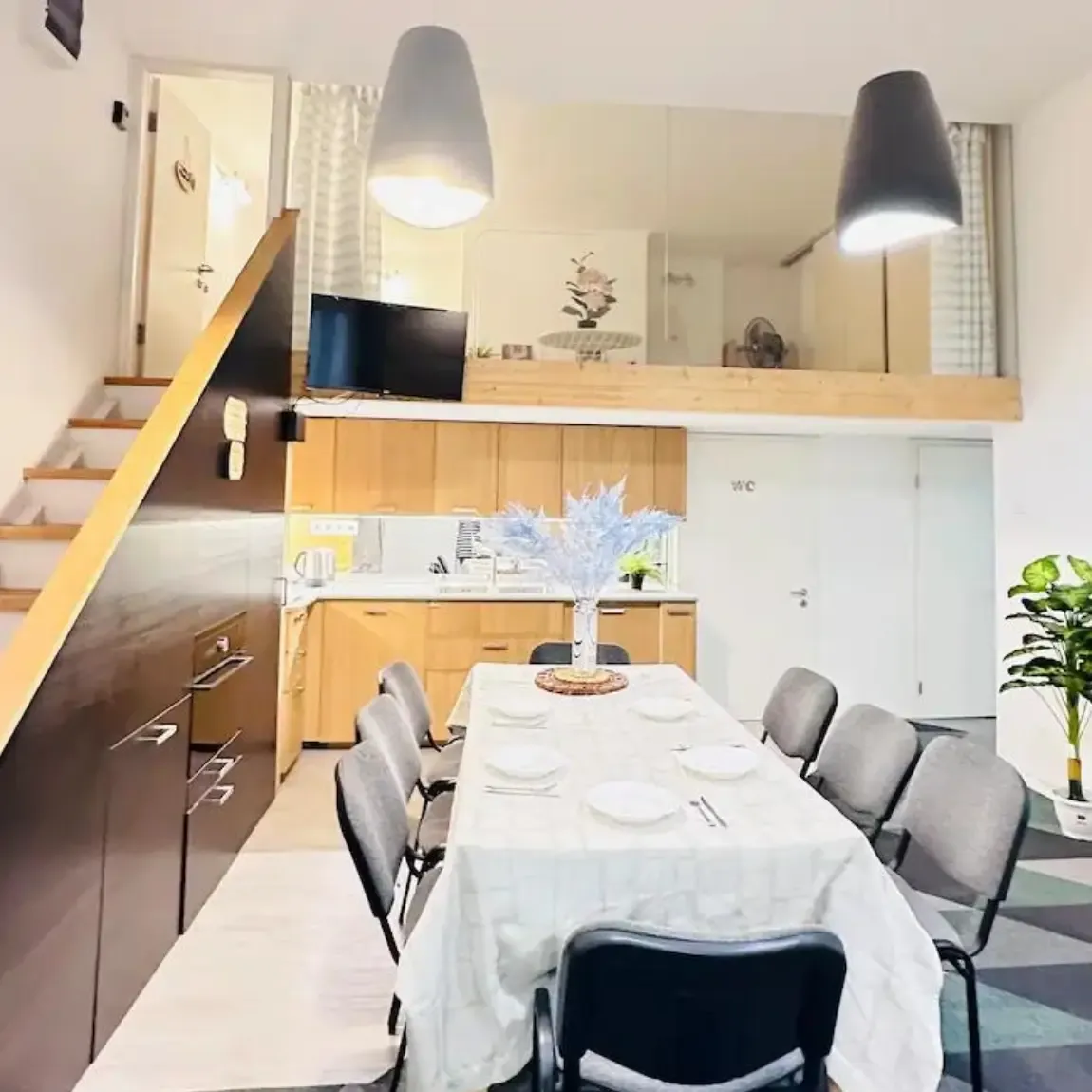
The setup was simple: a central apartment with private rooms, one large table used as a coworking space during the day and as a dinner table at night, and a weekly rhythm of work sessions, goal reviews and city activities.
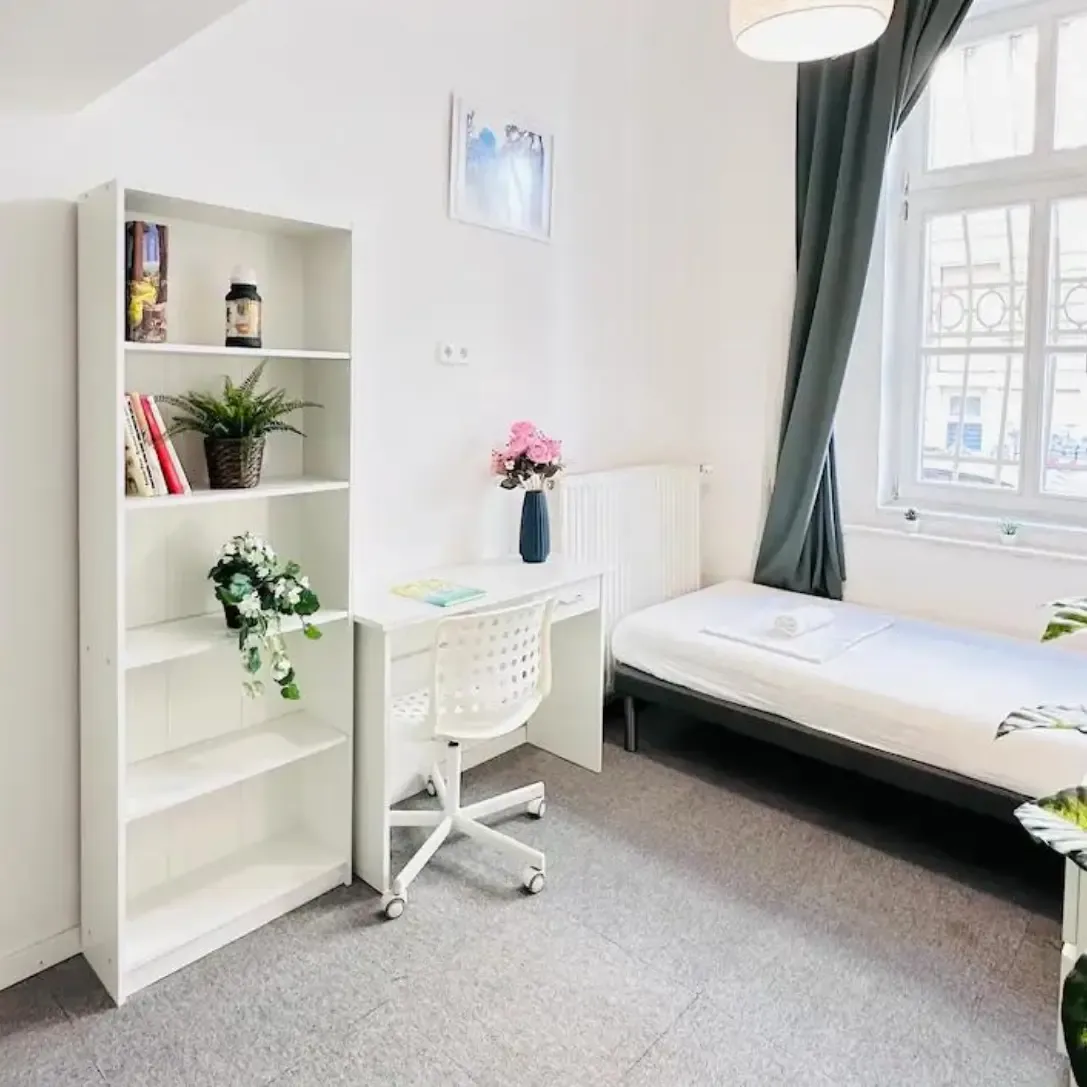
What we learned in Budapest:
- A shared table matters more than a coworking membership: the best conversations happen while working side by side.
- A central district saves hours every week; everything important was within walking distance or a short tram ride.
- The group should stay small. Around six to twelve people is enough to always have someone to work or go out with, and small enough to really know each other.
Next edition: KONNECT Budapest, January 2027
The next coliving for entrepreneurs in Budapest runs from 1 to 31 January 2027, with 6 places. It is built around the city's sauna and thermal bath culture: deep work in the morning, baths and cold plunges, and a mastermind with the group. You can join for 1, 3 or 6 months.
| Length of stay | Price |
|---|---|
| 1 month | €2,400 |
| 3 months | €1,600 per month |
| 6 months | €1,200 per month |
Places are limited and every application is reviewed. See the KONNECT Budapest January 2027 coliving
How to choose a coliving for entrepreneurs in Budapest
- Who will you live with? Ask how residents are selected. A mixed group of students and tourists is not the same experience as a group of founders.
- Is it built for work? Real desks, quiet rooms and a tested connection matter more than a pool table.
- Is there a program? Masterminds, goal reviews and shared activities are what turn housemates into a network.
- Where is it? Prefer District V, VI or XIII, or a quiet part of Buda, and check the street if it is in District VII.
- What is included? Compare cleaning, bills, workspace and activities, not only the rent.
- How flexible is it? Check the minimum stay and the cancellation conditions.
More Budapest guides
- Best Area to Stay in Budapest: Districts Guide for Remote Workers
- Budapest Thermal Baths: A Sauna and Cold Plunge Routine for Remote Workers
- Budapest in Winter: A Guide for Remote Entrepreneurs
Other coliving city guides

Frequently asked questions
How much does coliving in Budapest cost?
Standard coliving rooms in Budapest are generally advertised between about €350 and €950 per month, depending on the district, the room and the length of the contract. Curated entrepreneur colivings with a selected group, a program and a private workspace cost more: KONNECT Budapest in January 2027 is €2,400 for one month, €1,600 per month for three months and €1,200 per month for six months.
Which district is best for coliving in Budapest?
For entrepreneurs, District V (Belváros-Lipótváros), District VI (Terézváros) and District XIII (Újlipótváros) combine central access, cafés, coworkings and calmer streets. District VII (Erzsébetváros) is the nightlife district: lively, but noisy at night. The Buda side (Districts I, II and XI) is greener and quieter.
Is Budapest good for digital nomads and remote entrepreneurs?
Yes. Budapest regularly ranks among the most popular European cities for remote workers thanks to its cost of living, its central location in Europe, good public transport and a growing international community. Most nomads only stay a short time, which is why a structured coliving helps you build real connections quickly.
Is Budapest worth visiting in winter?
Winter in Budapest is cold and often grey, with short days. It is also the best season for the city's thermal baths and saunas, fewer tourists, and focused work. A winter coliving works well if the program is built around indoor rituals such as baths, sauna and deep work sessions.
Do I need a visa to live in Budapest for a few months?
Hungary is part of the Schengen Area. EU citizens can stay freely. Many non-EU nationalities can stay up to 90 days in any 180-day period without a visa. Hungary also offers a digital nomad permit called the White Card. Rules change, so always confirm your situation with the Hungarian authorities or your embassy before you travel.
What is the difference between coliving and coworking in Budapest?
Coworking gives you a desk; coliving gives you a home, a desk and a community in the same place. An entrepreneur coliving adds a selected group of founders and a program, so the people you live with are also your peer network.