Budapest in Winter: A Guide for Remote Entrepreneurs
Budapest in winter is cold, often grey and much quieter than in summer. For an entrepreneur who wants a focused month, that is exactly the point: fewer tourists, long work sessions in warm cafés, and a thermal bath culture that makes winter the best season of the year. This guide covers what Budapest is really like from November to March and how to make a winter month work.
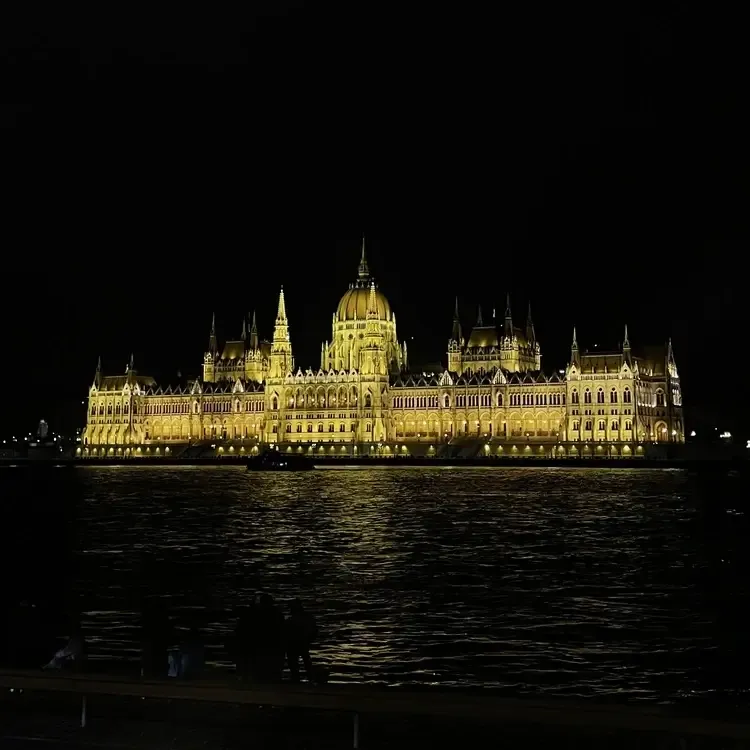
What Budapest in winter is really like
Winter in Budapest runs roughly from November to March. It is continental winter: cold days that often hover around freezing in the heart of the season, colder nights, and regular grey skies. Snow can fall, especially in January and February, but it does not stay every year. Daylight is short, and by late afternoon the city is already lit up.
That description can sound discouraging, yet many people who have lived a winter in Budapest remember it as their favourite season. The city empties of summer crowds, the cafés become warm living rooms, and the thermal baths turn the cold into part of the experience.
November and March
The shoulder months are milder and changeable. November is often damp and grey; March brings the first longer days and a feeling that spring is coming. Both are good months for focused work with fewer visitors.
December
December is the most festive month, with Christmas markets, lights and a lively atmosphere in the centre. It is also the busiest winter month for visitors, especially around the holidays.
January and February
The coldest and quietest months. January in particular is calm after the holidays: few tourists, easy bookings and long uninterrupted days. It is the best time of the year for a deep work month.
Thermal baths and sauna in winter
This is the reason to come to Budapest in winter. The city sits on thermal springs and bathing is part of daily life. Historic baths such as Széchenyi, Rudas and Lukács are open all year, with indoor and outdoor hot pools, saunas, steam rooms and cold plunges.
Sitting in a steaming outdoor pool while the air around you is freezing is one of the great winter experiences in Europe. For an entrepreneur, the baths are also a practical tool: a routine of sauna, cold plunge and hot water after a long workday helps recovery, sleep and stress. In winter, that routine becomes the backbone of the week.
A few practical tips: go early in the morning or on weekdays to avoid crowds, bring your own flip-flops and towel, and check opening hours and any renovation closures before you go.
Christmas markets and winter activities
Christmas markets in December
From late November through December, Christmas markets fill central squares such as Vörösmarty tér and the square in front of St. Stephen's Basilica, with mulled wine, chimney cake and handmade gifts. They are busy in the evening and very pleasant during the day.
Ice skating in City Park
The outdoor ice rink in Városliget, the City Park, next to Vajdahunyad Castle, is one of the largest in Europe and a classic winter outing, a short walk from the Széchenyi baths.
Cafés, ruin bars and indoor life
Budapest has a long café tradition, from grand historic coffee houses to modern specialty cafés where laptops are welcome. Ruin bars and small restaurants make winter evenings easy and social.
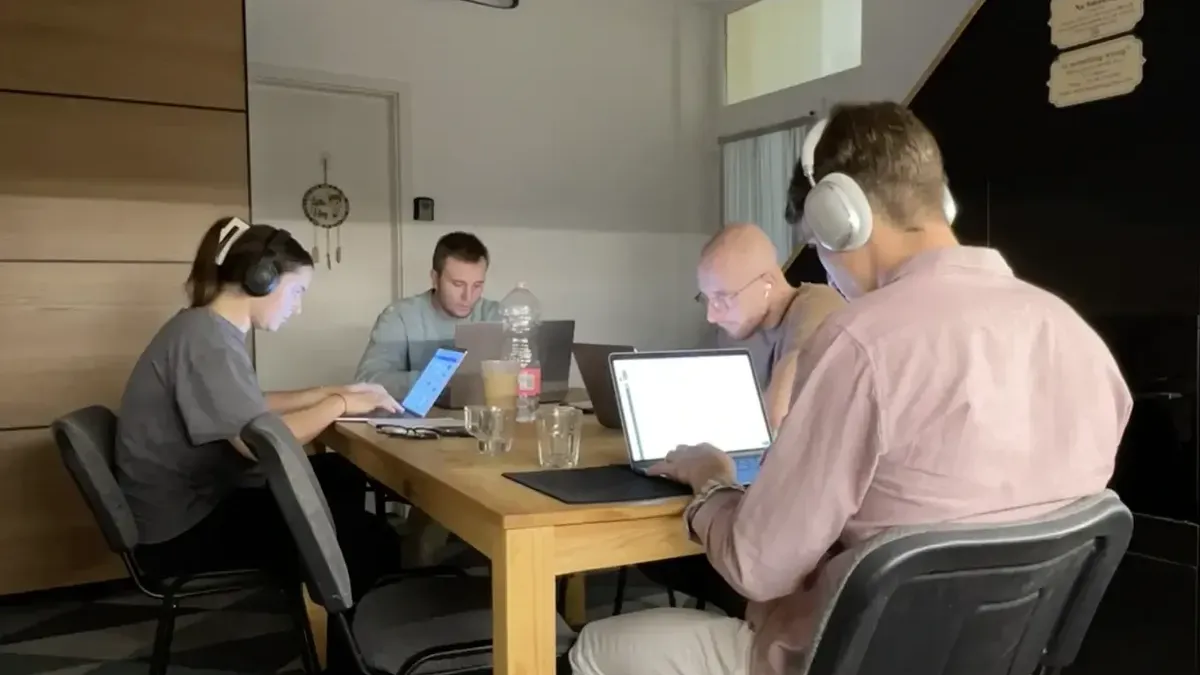
Working remotely in Budapest in winter
Winter is the season for focus. With fewer distractions outside and early sunsets, it is easier to protect long morning work blocks and keep evenings for recovery and people.
- Protect the morning. Use the daylight hours for your most important work, and schedule calls in the afternoon.
- Get outside once a day. A walk along the Danube or across Margaret Island at midday makes a real difference to energy on grey days.
- Build a weekly bath ritual. One or two evenings at the baths give the week a rhythm and something to look forward to.
- Do not work alone. Winter isolation is real. Working next to other people, in a coworking space or a shared house, keeps motivation up.
This is where a coliving in Budapest for entrepreneurs makes the most sense: a warm house, a shared work table and a group to go to the baths with. Read our full guide to coliving for entrepreneurs for the concept.
A typical winter week for a remote entrepreneur
A winter month works best with a simple, repeatable rhythm. Here is what a good week can look like in Budapest from December to February.
- Monday: set the goals of the week with the people you work with, then a long deep work block until lunch.
- Tuesday and Wednesday: focused mornings, calls in the afternoon, and a walk along the Danube before dark.
- Thursday: an evening at the thermal baths: hot pools, sauna, cold plunge, then dinner together.
- Friday: review what shipped, share one problem with the group, and plan the weekend.
- Weekend: a Christmas market or the ice rink in December, a day trip or a long lunch in a historic café, and a second bath session.
Getting around Budapest in winter
Public transport keeps running normally in winter, and trams, metro and buses are the easiest way to cross the city when pavements are wet or icy. The centre of Pest stays walkable, but good shoes matter more than in any other season. The baths are easy to reach by metro or tram from the main districts, so a weekly session fits into a normal workday.
Evenings are dark early, so plan your outings around the afternoon light if you want to see the city, and keep late evenings for the baths, restaurants and the people you live with.
What to pack for Budapest in winter
- A warm, windproof coat, and layers you can remove indoors, as buildings are well heated.
- Waterproof shoes with good grip for wet or icy pavements.
- Hat, scarf and gloves.
- Swimsuit, flip-flops and a quick-dry towel for the baths and sauna.
- A daylight lamp if short days affect your mood.
Pros and cons of a winter month in Budapest
| Pros | Cons |
|---|---|
| Fewer tourists and calmer streets | Cold, grey days and short daylight |
| Thermal baths at their best | Wet or icy pavements at times |
| Christmas markets in December | Busy city centre around the holidays |
| Ideal conditions for deep work | Easy to feel isolated if you live alone |
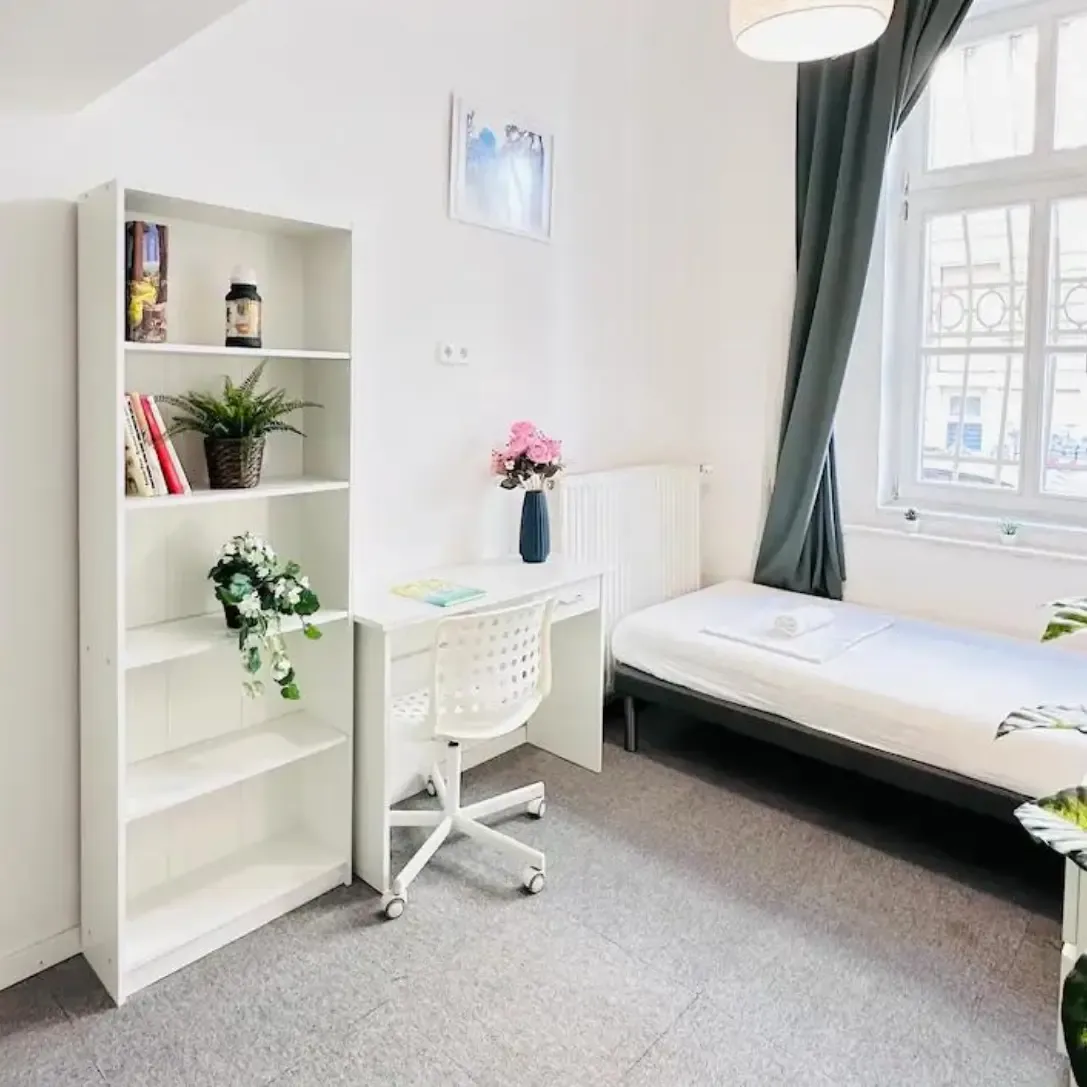
A winter coliving in Budapest: January 2027
The KONNECT coliving for entrepreneurs in Budapest runs from 1 to 31 January 2027 for 6 people, and it is built around exactly this winter routine: deep work in the morning, thermal baths, sauna and cold plunges, and a mastermind with the group. You can join for 1, 3 or 6 months.
| Length of stay | Price |
|---|---|
| 1 month | €2,400 |
| 3 months | €1,600 per month |
| 6 months | €1,200 per month |
For districts, prices and a real case study, read the complete guide to coliving in Budapest for entrepreneurs.
Places are limited and every application is reviewed. See the KONNECT Budapest January 2027 coliving
Frequently asked questions
Is Budapest worth visiting in winter?
Yes, if you come for the right reasons. Winter brings cold, grey days and short daylight, but also steaming outdoor thermal pools, Christmas markets in December, fewer tourists and an ideal setting for focused work.
How cold is Budapest in winter?
Winter in Budapest is cold continental weather. Days often hover around freezing from December to February, nights are colder, and snow is possible but not guaranteed. November and March are milder but still require a proper coat.
Are the Budapest thermal baths open in winter?
Yes. The large historic baths are open all year, and winter is when bathing in an outdoor hot pool surrounded by cold air feels most special. Check opening hours and any renovation closures before you go.
Is January a good month for a coliving in Budapest?
January is one of the quietest months of the year in Budapest, which makes it ideal for deep work. The key is a warm, well-equipped house and a routine built around indoor life, baths and sauna.
What should I pack for a winter month in Budapest?
A warm coat, layers, waterproof shoes with good grip, a hat and gloves, plus a swimsuit, flip-flops and a towel for the baths and sauna.