Budapest Thermal Baths: A Sauna and Cold Plunge Routine for Remote Workers
Budapest is one of the few capitals in the world where a thermal bath is part of everyday life, not a spa treat. For remote workers and entrepreneurs, that makes the city unusual: you can end a long workday in hot mineral water, a sauna and a cold plunge, a short walk or tram ride from your desk. This guide covers the best thermal baths in Budapest, what makes each one different, and how to turn them into a weekly routine.

Why Budapest is the city of thermal baths
Budapest sits on a geological fault line that pushes naturally hot, mineral-rich water to the surface through more than a hundred springs. The Romans bathed here, the Ottomans built domed bathhouses in the 16th century, and the city added grand Art Nouveau and neo-Baroque complexes in the early 20th century. The result is a bathing culture that locals use as naturally as a gym.
For a visitor, the baths are a sight. For someone living and working in the city for a month or more, they are something better: an affordable, year-round way to recover from long days at the laptop. That is why we built our coliving in Budapest for entrepreneurs around them.
The best thermal baths in Budapest
Each bath has its own character. Opening days, prices and renovation works change regularly, so always check the official website of each bath before you go.
Széchenyi Baths: the big one
The most famous thermal bath in Budapest sits in City Park, with bright yellow neo-Baroque buildings and large outdoor pools that stay hot all winter. Inside, a maze of thermal pools, saunas and steam rooms. It is spectacular and very popular, so it is at its best early in the day on weekdays. Learn more about the Széchenyi thermal bath.
Rudas Baths: Ottoman history and a rooftop pool
At the foot of Gellért Hill on the Buda side, Rudas combines a 16th-century Ottoman octagonal pool under a stone dome with a modern wellness area and a rooftop pool overlooking the Danube. It is the one to choose if you want history and a view in the same visit.
Lukács Baths: where locals go
North of the centre in Buda, Lukács is quieter and less touristy, known for its regulars and its healing water tradition. A good choice for a calm routine rather than a sightseeing visit.
Király and Veli Bej: small Ottoman baths
Two smaller baths dating from the Ottoman period, with domed pools and an intimate atmosphere. Ideal if you prefer a short, quiet session over a full day in a large complex. Check the current status before going, as smaller historic baths are sometimes closed for restoration.
Palatinus: the summer option
On Margaret Island, Palatinus is a large open-air bath and swimming complex that is mainly a summer destination. In winter, the historic indoor and heated outdoor baths are the better choice.
How to build a sauna and cold plunge routine in Budapest
Most remote workers visit a bath once, take a photo and never go back. The real value comes from turning it into a habit. Here is a simple routine that fits around a working week.
- Pick one or two baths close to where you live and work. Travel time kills habits. A bath 15 minutes away will become part of your week; one across the city will not.
- Go on weekdays, outside peak hours. Early mornings before work or mid-afternoon breaks are usually calmer than evenings and weekends.
- Alternate heat and cold. A classic cycle is a few minutes in the sauna or a hot pool, a short cold plunge or cold shower, then rest, repeated two or three times. Keep it short at first.
- Use it as a boundary. A bath session is a clear end to the workday, which is hard to find when you work remotely.
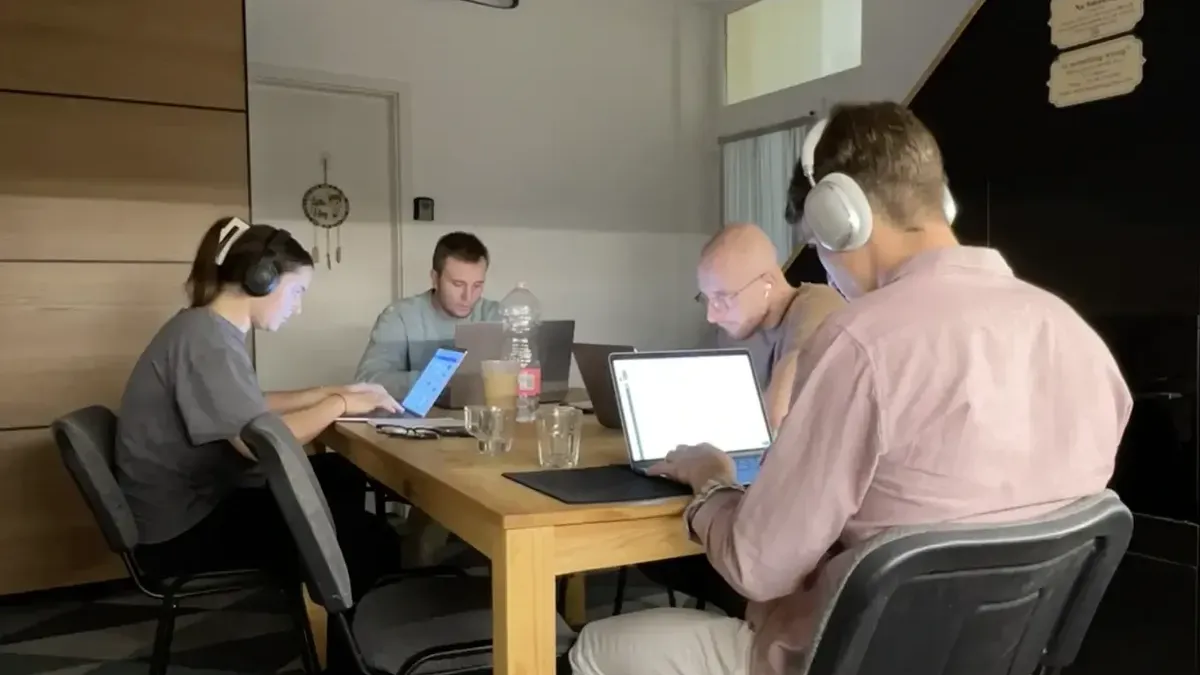
- Go with others. A weekly bath session with the people you live and work with is one of the easiest ways to build a real network in a new city.
Which Budapest bath for which kind of day
| Bath | Best for | Atmosphere |
|---|---|---|
| Széchenyi | A long session with many pools and saunas, outdoor bathing in winter | Grand, lively, very popular |
| Rudas | History and a view over the Danube | Historic dome, modern wellness floor |
| Lukács | A calm weekday routine | Local, relaxed |
| Király and Veli Bej | A short, quiet session | Small, intimate Ottoman baths |
| Palatinus | Summer afternoons outdoors | Open-air, family-friendly |
An example week for a remote worker
Here is how a work-focused week can include the baths without eating into productive hours:
- Monday: deep work all day, short sauna and cold plunge session at a local bath in the late afternoon to close the day.
- Wednesday: early morning visit before starting work, when the pools are quiet, then a long focused block.
- Friday: a longer group session at a large bath to celebrate the week, followed by dinner together.
Three sessions a week is enough to feel the difference in energy and sleep, and it keeps the habit realistic. The key is consistency, not the length of each visit.
What to do between rounds
Rest matters as much as heat and cold. Sit quietly for a few minutes between rounds, drink water, and avoid checking your phone: the baths are one of the rare places where being offline feels natural. Many entrepreneurs find their best ideas arrive precisely there, away from the screen.
Mixing the baths with other recovery habits
The baths work best as part of a wider rhythm: a morning walk along the Danube, regular sleep hours, a real lunch break away from the screen. None of this is complicated, but a new city makes it easy to drift. Anchoring the week around two or three bath sessions gives the rest of your routine a structure to hang on.
Budapest thermal baths in winter
Winter is the best season for the baths. Sitting in a steaming outdoor pool while the air is freezing is one of the most memorable experiences Budapest offers, and it makes the short, grey days of January much easier to enjoy. Fewer tourists visit in the coldest months, which also means quieter pools on weekdays.
It is the reason our January coliving in Budapest is built around the city's sauna and thermal bath culture: focused work sessions in the morning, then heat, cold and recovery with the group.
Practical tips for your first visit
- What to bring: swimsuit, flip-flops, a towel and a water bottle. Most baths rent towels and some pools require a swimming cap.
- Lockers or cabins: most baths offer lockers and private changing cabins, usually with an electronic wristband.
- Tickets: buying online in advance can save time at the busiest baths. Use the official websites rather than resellers.
- Timing: give yourself at least two hours for a first visit to a large bath; a quick routine session can be much shorter.
- Health: hot water and cold plunges are not suitable for everyone. If you have a heart or blood pressure condition, are pregnant or have any doubt, ask a doctor first, drink water and do not stay too long in hot pools.
Thermal baths and coliving for entrepreneurs
Living in a coliving makes the bath routine much easier to keep: you go with your housemates, it becomes a shared ritual, and the conversations you have in the pool are often better than the ones in a meeting room. Our guide to coliving in Budapest covers the best districts, prices and practical life in the city, and the guide to coliving for entrepreneurs explains how the format works.
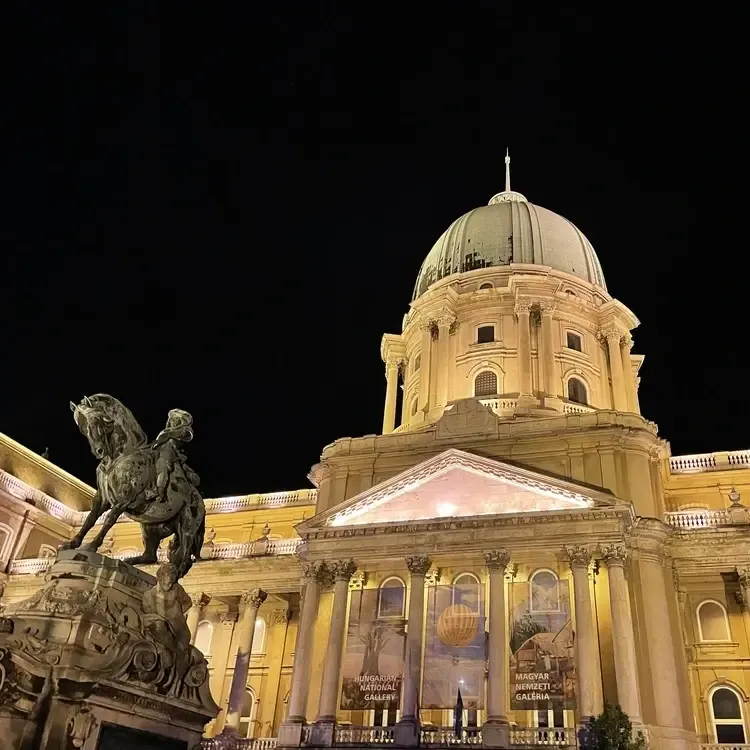
The KONNECT Budapest coliving runs from 1 to 31 January 2027 with 6 places, built around deep work, sauna and the thermal baths. See the January 2027 Budapest coliving
Frequently asked questions
What are the best thermal baths in Budapest?
The best-known thermal baths in Budapest are Széchenyi, with its large outdoor pools in City Park; Rudas, a historic Ottoman bath with a rooftop pool over the Danube; Lukács, a quieter bath popular with locals; Király and Veli Bej, two smaller Ottoman-era baths; and Palatinus, an open-air complex on Margaret Island in summer. The best choice depends on whether you want size, history or calm.
Which Budapest thermal bath is best for a quiet visit?
Smaller or more local baths such as Lukács and Veli Bej usually feel calmer than the large, famous complexes. Weekday mornings and early afternoons are generally less crowded than evenings and weekends at any bath.
Can you go to the Budapest thermal baths in winter?
Yes. Most baths are open all year and winter is one of the best seasons to go: sitting in a steaming outdoor pool in cold air is a signature Budapest experience. Check each bath's official website for current opening days before you go, as schedules and renovation works change.
What should I bring to a thermal bath in Budapest?
Bring a swimsuit, flip-flops and a towel. Most baths also rent towels and provide lockers or private changing cabins. A water bottle and a swimming cap can be useful, as some pools require caps.
Is it safe to use the sauna and cold plunge every day?
Many people enjoy sauna and cold water regularly, but they are not suitable for everyone. If you have a heart condition, high or low blood pressure, are pregnant or have any doubt, ask a doctor before starting, stay hydrated and keep sessions short.